


Why Rural Business Space Matters More Than Ever in 2026
For years, rural business centres were often seen as a practical alternative for businesses priced out of cities. In 2026, that perception has changed completely.
Across the UK, businesses are rethinking where and how they work. Rising costs in urban areas, changing employee expectations, digital transformation, and a renewed focus on wellbeing and sustainability are all reshaping commercial property decisions. Rural business space is no longer a compromise. For many businesses, it is becoming a strategic advantage.
In places like County Durham, that shift is creating new opportunities for entrepreneurs, freelancers, SMEs, and growing companies looking for flexible, professional space without the pressure, overheads, and limitations often associated with city-based offices.
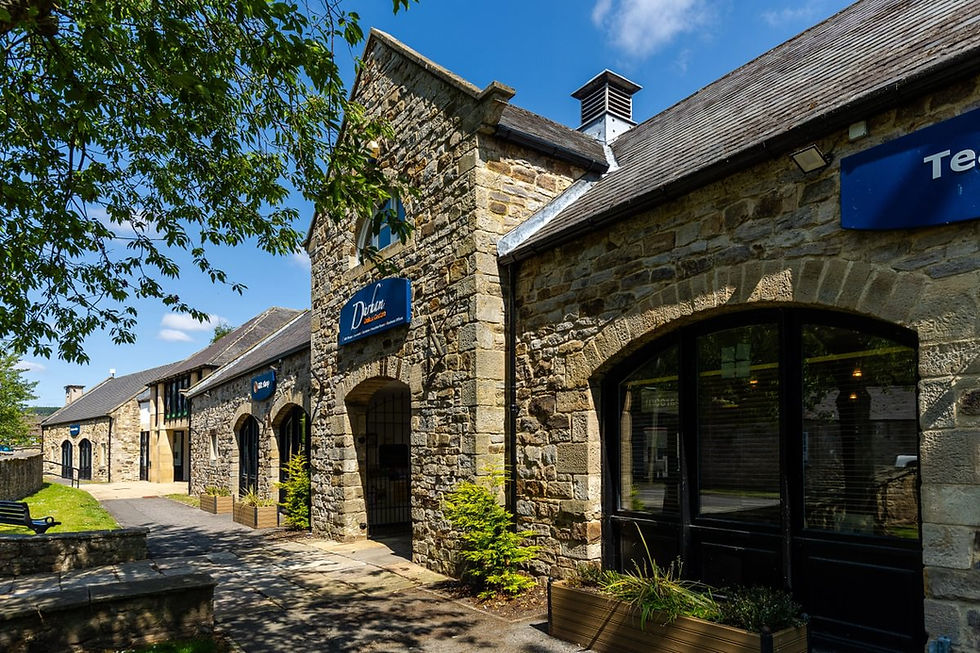
At the Durham Dales Centre and Rookhope Business Centre, Weardale, we are seeing first-hand how demand for high-quality rural workspace continues to grow. Businesses are not simply looking for somewhere to rent a desk. They are looking for affordability, flexibility, community, connectivity, and a better way of working.
The Shift Away From Traditional City Offices
The workplace landscape has changed dramatically over the last few years. Hybrid working is now embedded across many industries, and businesses are becoming far more intentional about what they actually need from office space.
Large, expensive city-centre offices are increasingly difficult to justify for many organisations. Commercial rents remain high, commuting costs continue to rise, and employees are placing greater value on work-life balance than ever before.
At the same time, businesses still recognise the importance of collaboration, professionalism, and having a dedicated workspace outside the home. Remote working solved some problems, but it also introduced others: isolation, distractions, blurred boundaries, and a lack of separation between personal and professional life.
This is where rural business centres are becoming increasingly valuable.
They offer businesses the best of both worlds: professional infrastructure and collaborative working environments, combined with lower costs, less stress, and a far higher quality of life.
Cost Efficiency Matters More Than Ever
Economic pressures continue to affect businesses across almost every sector in 2026. Energy costs, inflation, recruitment pressures, and operational overheads remain key concerns for SMEs and independent businesses.
For many organisations, rural business space provides a financially sustainable solution.
Office space in rural areas is often significantly more affordable than urban alternatives, allowing businesses to reduce overheads without sacrificing professionalism or accessibility. That can make a major difference for start-ups, growing businesses, consultants, remote teams, and self-employed professionals trying to scale sustainably.
Lower operational costs also create room for investment elsewhere, whether that is hiring staff, improving services, investing in technology, or strengthening marketing activity.
For businesses navigating uncertain economic conditions, flexibility and affordability are no longer optional. They are essential.
Rural Workspaces Support Better Wellbeing
One of the biggest changes in modern working culture is the growing recognition that environment matters.
Long commutes, overcrowded urban offices, and constantly being surrounded by noise and congestion can have a significant impact on productivity, focus, and mental wellbeing.
Rural business centres offer something increasingly valuable: space to think.
Being based in a rural setting can support healthier working patterns, reduced stress levels, and greater work-life balance. Access to green space, quieter surroundings, and shorter commute times all contribute to improved employee wellbeing and higher job satisfaction.
This matters not only for individuals, but for businesses too.
Companies that prioritise employee wellbeing are often better positioned to retain talent, improve productivity, and build stronger workplace cultures. In competitive industries, creating a positive working environment is becoming a genuine business advantage.
Connectivity Has Changed the Game
Historically, one of the biggest barriers to rural working was connectivity.
That is no longer the case.
With major improvements in broadband infrastructure, cloud-based systems, video conferencing, and digital collaboration tools, businesses can now operate effectively from almost anywhere. Geography is becoming far less restrictive than it once was. Clients, suppliers, and teams can stay connected without requiring a permanent city-centre presence.
This digital transformation has opened the door for rural business centres to become thriving professional hubs rather than isolated office spaces.
For businesses based at Durham Dales Centre and Rookhope Business Centre, that means being able to enjoy the benefits of a rural location while remaining fully connected to customers, colleagues, and opportunities across the UK and beyond.
Rural Business Centres Build Stronger Communities
One of the most overlooked benefits of rural business space is community.
Independent businesses and remote workers can often feel isolated, particularly when working entirely from home. Rural business centres create opportunities for collaboration, networking, and shared support.
When businesses work alongside each other, valuable relationships develop naturally. Conversations turn into partnerships. Shared challenges lead to shared solutions. Local economies become stronger and more resilient.
This is particularly important in rural areas, where supporting local enterprise plays a major role in sustaining communities, creating employment opportunities, and encouraging economic growth.
Business centres are not simply buildings filled with offices. At their best, they become ecosystems for local entrepreneurship and innovation.
Sustainability Is Driving Business Decisions
Sustainability is no longer a niche consideration. It is now influencing how businesses operate, recruit, travel, and choose commercial premises.
Rural business space can play an important role in reducing environmental impact.
Shorter commutes, reduced city-centre congestion, hybrid working models, and decentralised workspaces can all contribute to lower carbon emissions. Many businesses are actively seeking ways to reduce unnecessary travel and operate more responsibly.
For employees, local workspace options also reduce the need for lengthy daily commuting, supporting both sustainability goals and quality of life. As environmental priorities continue to shape business strategy in 2026, flexible rural workspaces are becoming increasingly aligned with how modern organisations want to operate.
The Future of Work Is More Flexible
Perhaps the biggest reason rural business space matters more than ever is simple: the future of work is no longer tied to one location. Businesses today need flexibility.
Some teams work fully remotely. Others use hybrid models. Some need meeting rooms occasionally, while others require permanent office space with room to grow. Increasingly, businesses want scalable solutions that can adapt alongside them. Rural business centres are uniquely positioned to support this shift.
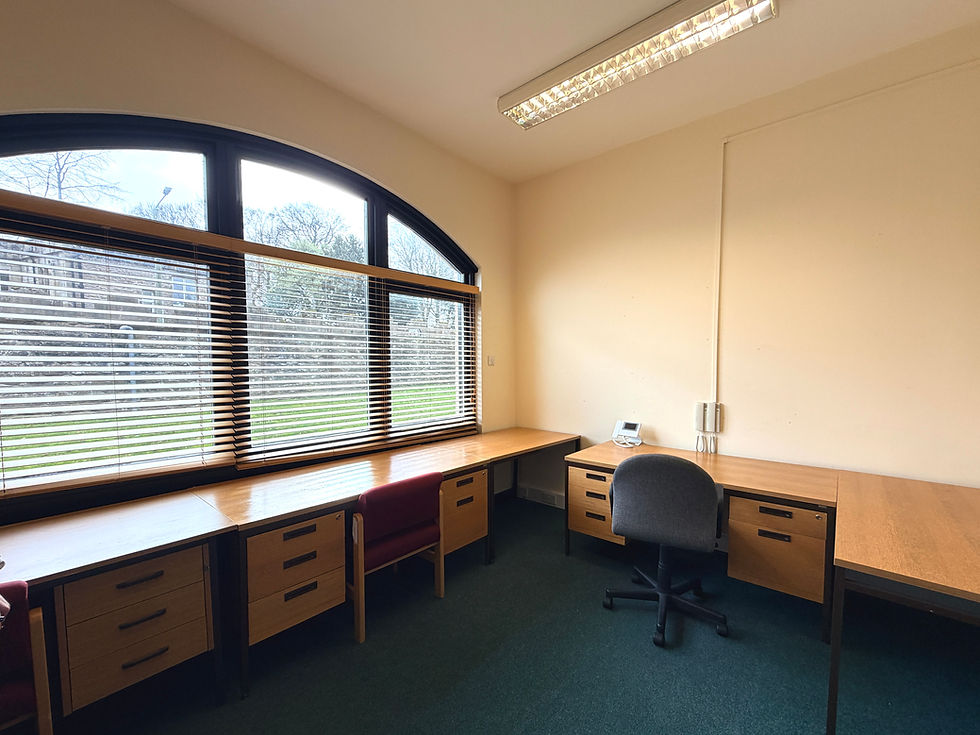
At the Durham Dales Centre and Rookhope Business Centre, businesses can access professional workspace in a supportive environment that reflects how people actually want to work in 2026: flexibly, collaboratively, sustainably, and without unnecessary overheads.
The conversation around business space is no longer only about square footage. It is about creating environments where businesses and people can genuinely thrive.
That is why rural business space matters more than ever.
And as the way we work continues to evolve, its importance is only set to grow.
At the Durham Dales Centre and Rookhope Business Centre, we currently have a limited number of flexible workspace units available. Explore our current availability today.


